

Sanagi designs structured leadership systems that bring clarity to complex organisations.
Through Strategic Visual Management and Obeya architecture, we align strategy, governance and delivery into one coherent decision environment — reducing friction, accelerating insight and making performance visible at every level.
| Obeya Strategic Visual Systems by Sanagi
| Obeya Strategic Visual Systems by Sanagi
Leadership teams in complex organisations often experience:
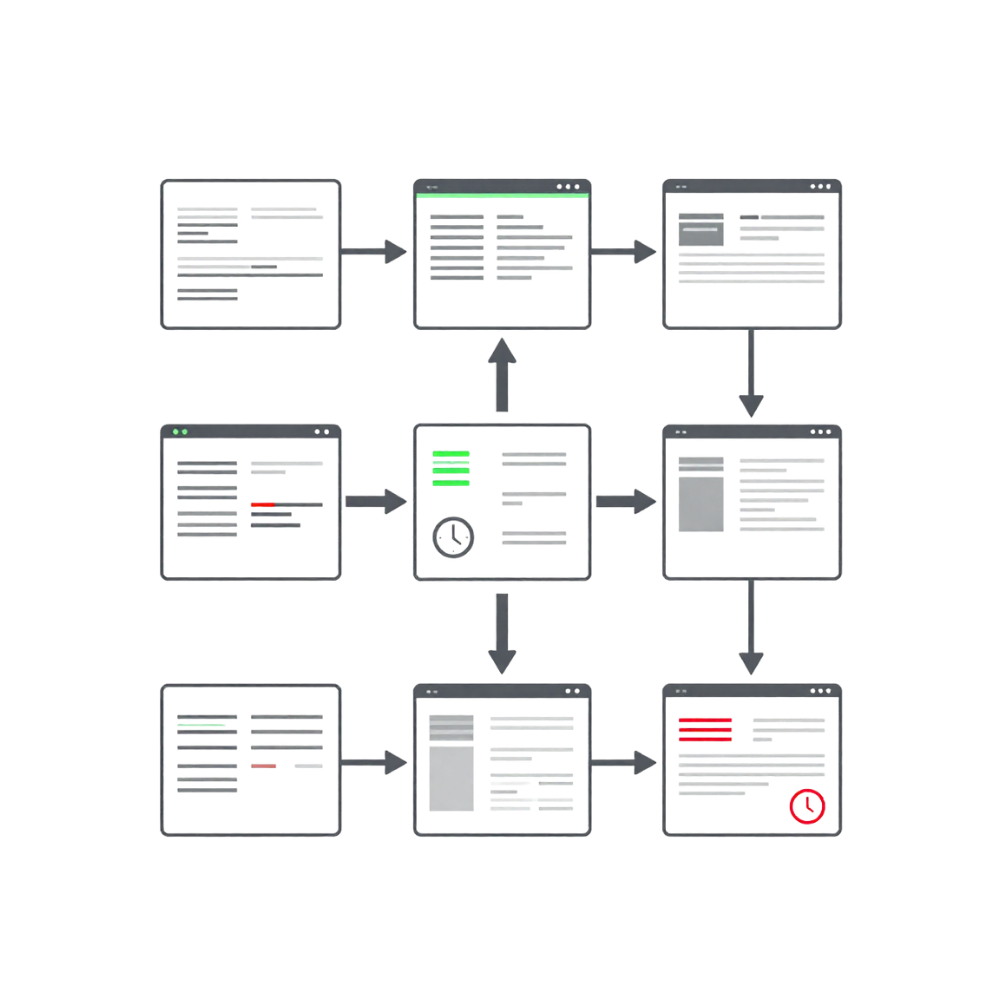
Decisions taking longer than they should
Important decisions move slowly because leaders are piecing together information from multiple reports, meetings and sources. By the time the full picture is clear, the moment to act has often passed or momentum has already been lost.
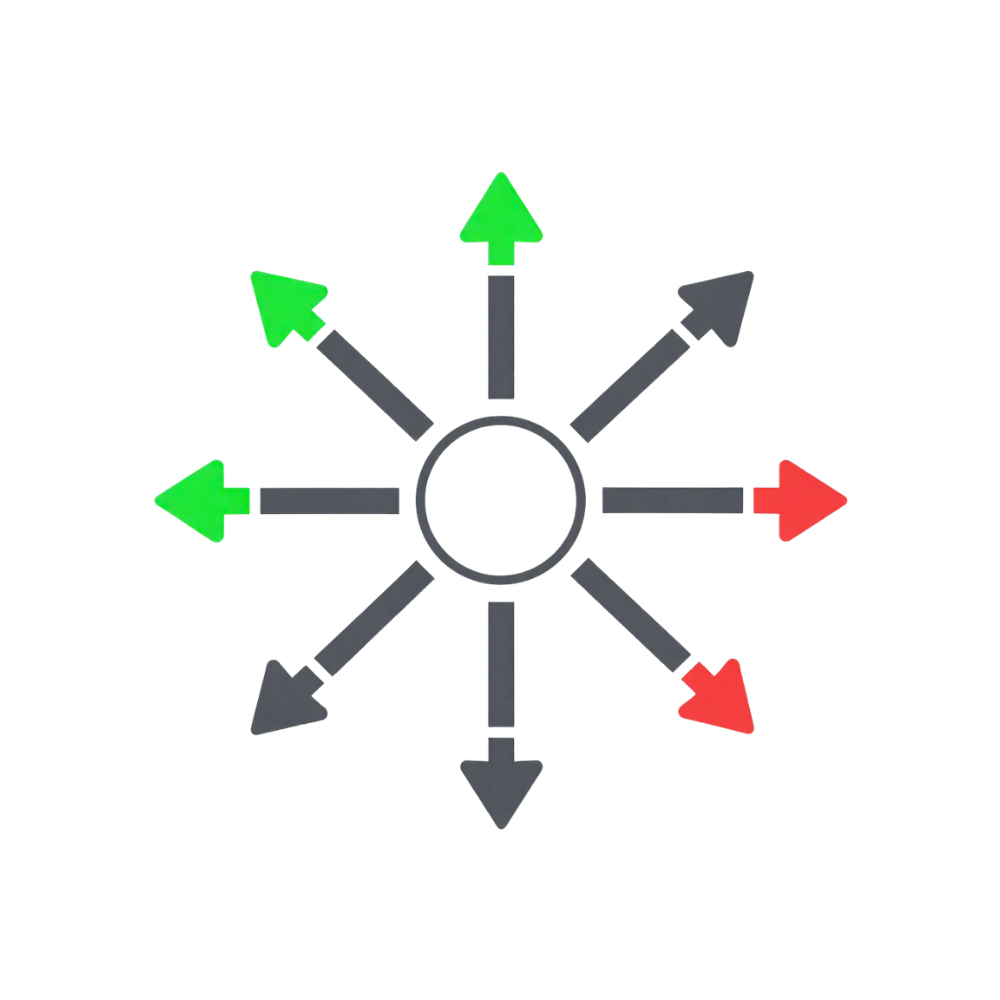
Competing priorities across departments
Different parts of the organisation pursue well-intended goals, but without a shared view of priorities and constraints, efforts begin to pull in different directions. Alignment becomes something that has to be repeatedly negotiated rather than clearly understood.
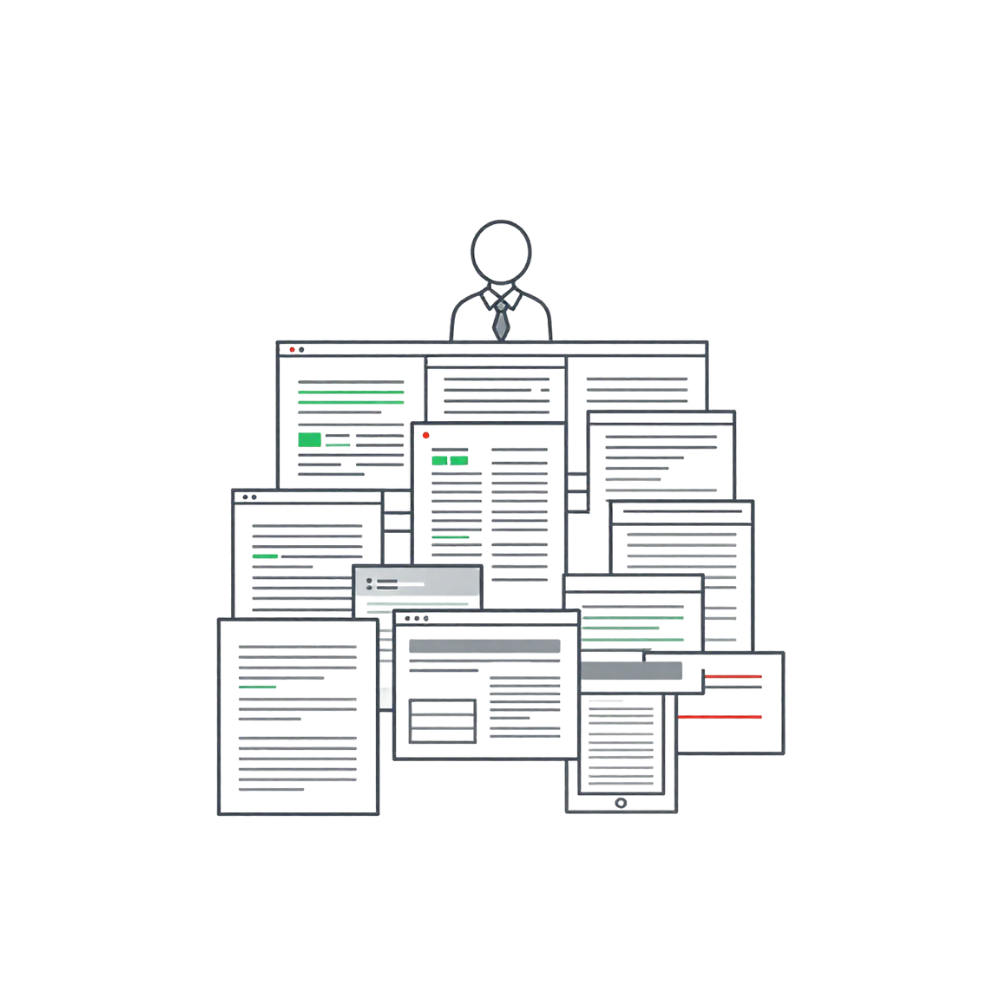
Growing reporting overhead
Leaders and teams spend increasing time producing updates, slides and summaries simply to keep others informed. The effort to communicate progress begins to rival the effort required to actually deliver the work.

Risks surfacing late
Issues rarely appear suddenly; they build quietly as signals across teams, programmes and portfolios. Without a clear system that makes those signals visible, risks often surface only when they have already become difficult and expensive to resolve.
How leadership clarity is created
An Obeya Visual Leadership System brings strategy, portfolio priorities and operational performance into one shared visual environment.
Instead of information being scattered across reports, dashboards and meetings, leaders work from a single structured system
-
Leadership priorities are clearly articulated and visible to everyone responsible for delivering them. Strategic intent is translated into tangible initiatives and outcomes, so teams understand not only what matters most, but how their work contributes to it.
-
Leaders can see the portfolio of work currently in motion and the capacity available to deliver it. This makes trade-offs clearer, exposes overload earlier, and allows priorities to be adjusted based on real constraints rather than assumptions.
-
Operational and delivery signals become visible as they emerge, rather than appearing only in retrospective reports. Leaders can see where progress is strong, where support may be required, and where risks are beginning to develop.
-
Leadership conversations shift away from exchanging updates and explaining status. Instead, meetings become focused on understanding the situation, resolving constraints and making timely decisions that move the organisation forward.

With an Obeya Visual Leadership System in place:
-
Strategy, portfolio and delivery become visibly aligned
Strategic priorities are translated into clearly defined initiatives, and those initiatives are connected to the work being delivered across teams and programmes. Leaders can see how portfolio activity supports strategic intent, making alignment visible rather than something that must be repeatedly interpreted through reports and presentations.
-
Leadership meetings focus on decisions rather than reporting
Instead of spending time walking through updates or explaining status, the leadership environment provides a shared view of the situation. Meetings become focused on understanding the current picture, addressing constraints and making decisions that move work forward.
-
Risks and constraints surface earlier
Delivery signals, dependencies and emerging issues become visible as they develop rather than appearing only in retrospective reporting. Leaders can see where progress is slowing, where support is required and where risks are beginning to accumulate.
-
Cross-functional coordination improves
Work that spans multiple teams or departments becomes visible within the same environment. Dependencies, sequencing and shared constraints can be understood collectively, allowing leaders to coordinate activity more effectively across organisational boundaries.
-
Leadership capacity is released from reporting overhead
When the leadership system itself provides a clear and shared view of priorities, progress and performance, the need to produce extensive reports and presentation packs reduces significantly. Leaders spend less time assembling updates and more time guiding the organisation.
-
Decisions are made with a shared understanding of reality
When strategy, portfolio activity and delivery signals are visible in one place, leaders are working from the same picture of the organisation. Decisions are based on shared information rather than differing interpretations of separate reports, reducing confusion and enabling faster, more confident leadership action.